
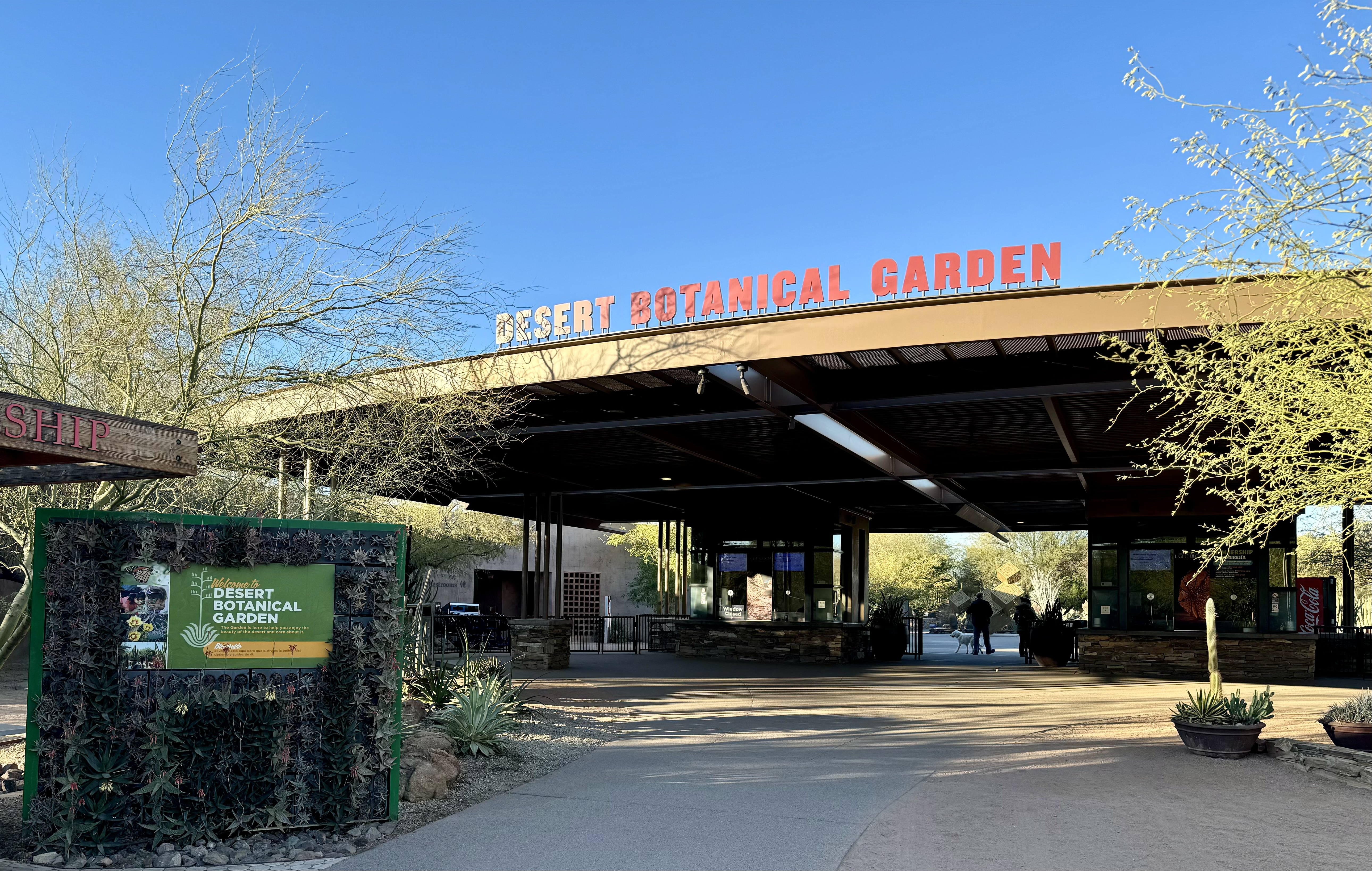
Held at the stunning Desert Botanical Garden in Phoenix, Arizona, the Heal & Nourish True Food Summit brought together doctors, farmers, activists, and health-conscious community members for a day focused on one of the most important — and most overlooked — topics in wellness: the quality of what we eat.
The State of American Health
Mary S. Holland, Esq., CEO of Children's Health Defense, opened the day with sobering context. Among American teens, nearly 30% are prediabetic. More than 18% of young adults have non-alcoholic fatty liver disease. Over 40% of adults aged 22–44 are obese, and six out of ten adults are living with a chronic illness. 74% of American adults are overweight or obese, and 77% of young adults do not qualify for military service based on their health scores.
These numbers are not inevitable. The summit's core argument was that environmental exposures — particularly what's in our food — are a primary driver of this deterioration, and that there is a great deal individuals can do to protect themselves.
The Hidden Problem in Our Food: Glyphosate
The most striking presentation of the day came from Zen Honeycutt, founder and Executive Director of Moms Across America. Zen has spent years testing foods for toxic chemicals, and her findings on glyphosate are alarming.
Glyphosate is widely used as both an herbicide and a pre-harvest drying agent on crops like oats, grains, peas, beans, and legumes. It allows farmers to harvest crops earlier, but it dramatically increases the likelihood that the pesticide ends up in finished food products. In 2015, the International Agency for Research on Cancer classified glyphosate as "probably carcinogenic to humans." Research has connected it to non-Hodgkin lymphoma and other health issues.
What's particularly concerning: glyphosate contamination appears across a wide range of food categories — from fast food and school lunches to gluten-free products and baby formula. Nowhere in the conventional food supply is truly safe from exposure.
Dr. Henry Ealy on Heavy Metals and Weather Modification
Dr. Henry Ealy, a naturopathic doctor board-certified in holistic nutrition and founder of the Energetic Health Institute, presented on an often-ignored dimension of environmental toxicity: weather modification. The chemicals used to seed clouds contribute to heavy metal content in soil and, by extension, in the food grown from it. This connection between atmospheric interventions and food quality represents a frontier area of environmental health worth tracking.
Joel Salatin: Back to Basics
Few names carry more weight in the regenerative agriculture movement than Joel Salatin — the self-described "Lunatic Farmer" and co-owner of Polyface Farm in Swoope, Virginia. Featured in both The Omnivore's Dilemma and the documentary Food Inc., Polyface Farm serves thousands of families and restaurants with grass-fed beef, pastured poultry, and pork raised without industrial shortcuts.
Joel's message: the path back to food quality is through relationship — with your farmer, your soil, and the land. Industrial farming is not the only option.
What You Can Do
Zen Honeycutt's practical recommendations for reducing toxic food exposure:
Choose whole foods over highly processed products. Buy local and organic, especially for grains. Research product safety using tools like Mamavation, the Environmental Working Group, and Lead Safe Mama. Avoid products with corn, soy, sugar from GMO sources, canola, and conventional vegetable oils. Consider sweating regularly through sauna or cardiovascular exercise — perspiration is one of the body's primary detox pathways. If dining out is unavoidable, consider activated charcoal with the meal to help bind to toxins.
Community as a Health Tool
Beyond the information, the summit's most lasting value was the community it created. Events like this bring together people with diverse backgrounds — doctors, farmers, parents, and health seekers — who share a commitment to protecting health through cleaner food. The knowledge shared at these gatherings doesn't stay in the room; it spreads through families, neighborhoods, and social networks.
Looking for upcoming health and wellness events in your area? Browse the full calendar at Health Conference List.